Titan Edge / Research
Macro
The Case for Universal Basic Income (UBI): Economic Growth or Fiscal Burden
Universal Basic Income (UBI) is a model of social security in which all citizens receive a regular, unconditional sum of money regardless of their income, employment status, or wealth. UBI has become an increasingly popular idea in recent years amidst increasing levels of automation, income inequality, and global discussions of social welfare reform. Supporters say UBI could spur economic growth, curtail poverty and offer financial security, while opponents worry about it being a fiscal burden,
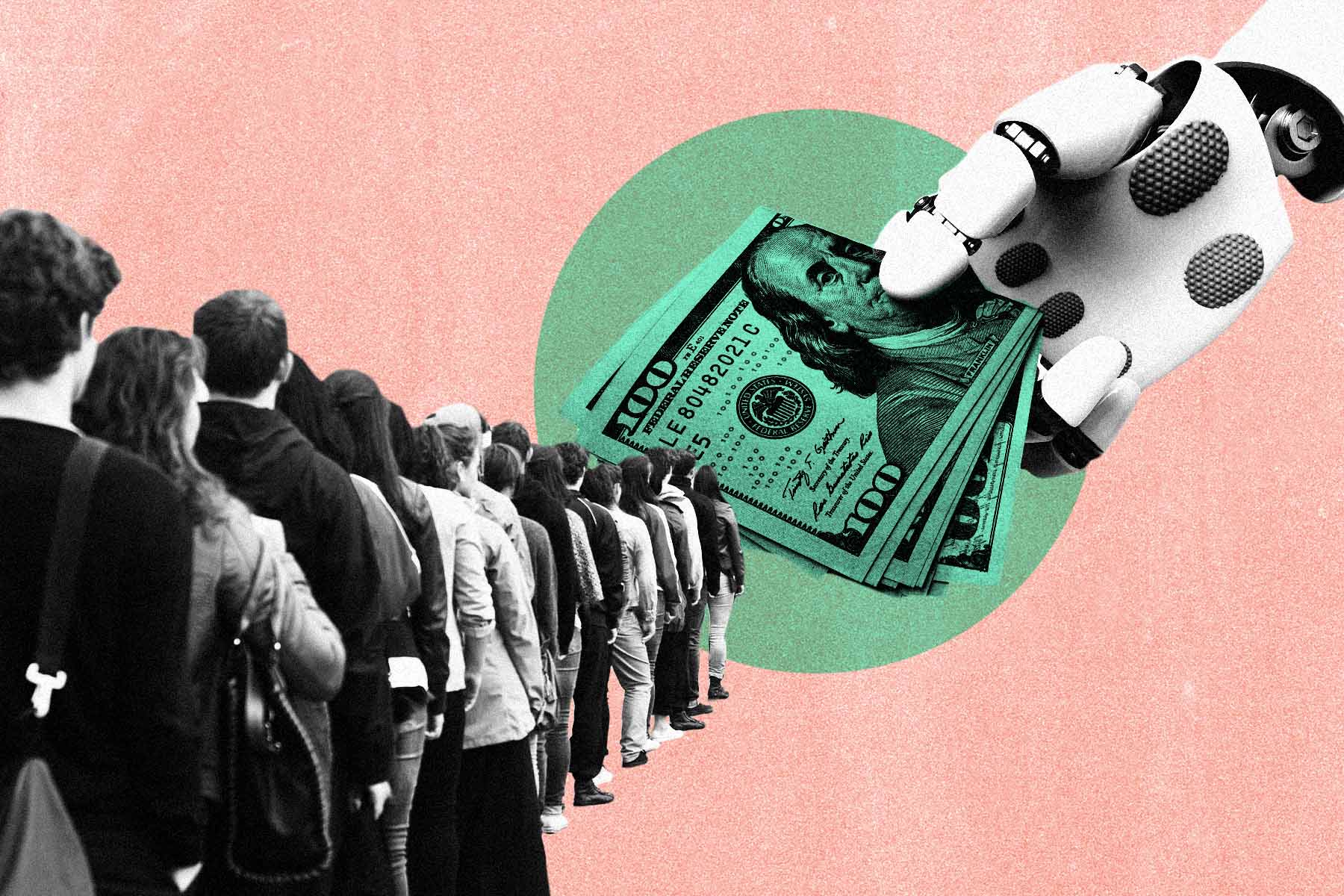
This article is regarding some of the debates for and against the UBI and which describes the case of the test of UBI in Finland.
What is Universal Basic Income?
Ubi is a kind of social policy that provides all citizens with a given sum of money, regardless of their income, to be spent on essential needs. There are no conditions attached to receiving Ubi, like working or poverty. The principle of Ubi:
- Unconditional: You all will get equal money with no strings attached.
- Universal: Accessible to everyone, regardless of wealth or status.
- Regular: Periodic payments Periodic payments are the form of payments paid regularly such as payments that are made every month and year.
- Sufficient: The size should be sufficient to meet the basic needs so that persons can attain a minimum standard of living.
UBI is mainly intended to tackle poverty and inequality as well as to empower people with financial mobility and security.
The Economic Arguments for UBI
Reduction of Poverty and Income Inequality
Overwhelming Arguments You Would Not Want to Neglect to Do The "Universal Basic Income is an idea to Decrease Poverty and Income Disparity. This Would Make Life Easier for Those Who Are Unable to Work or Earn Enough Money for Their Lifestyle. This Is a Problem That Is Especially Present in developed Countries.
Stimulating Economic Growth
Proponents of UBI believe that it could potentially stimulate growth in the economy through consumer spending. As the money is earned unconditionally, people would have additional disposable income to spend on goods and services, resulting in an increased demand and thus ultimately to growth. In addition, UBI could encourage individuals to pursue entrepreneurial activities. This is due to the fact that it provides the security of income to allow them to take decision risk and even start businesses, without concern that losing the job would mean to have no money to eat.
Adaptation to Automation and Technological Changes
With the way work is changing today - automation and the rise of artificial intelligence, for example - many have become worried that huge portions of the workforce will be headed for the unemployment lines. Is UBI the answer? Offering a safety net to those displaced by automation, basic income would allow the government to give people who want a job, want to get education, or want to do something creative, the security of knowing they have a roof overhead.
Improvement of Mental Health and Well-being
We found that financial instability is one of the top drivers of stress, anxiety and poor mental health. UBI can relieve these stressors by allowing people to have more agency over their lives, without the fear of losing their jobs or income. Financially secure people tend to spend more on their health, education and their future, research has demonstrated.
The Economic Arguments Against UBI
Fiscal burden and budgetary concerns
Nonetheless, the most frequently-raised opposition to UBI is the additional pressure it would put on government budgets. The administration of a UBI would be very costly, and the money for it would have to be sourced from elsewhere, either via higher taxes or cuts to other vital social programmes. The proliferation of lease-purchase agreements (which increase rate upgrades on dwellings) has been associated with accusations that such arrangements are being made to appear as additional wealth distribution, which would not be in the best interests of the people over the long run.
Inflation and Cost of Living
Another concern is that non-targeted guaranteed income will lead to inflation. Increased demand of goods and services-more money in the economy-could push prices up, and thus negate the benefit of UBI. "As I have pointed out before, inflation would make the UBI payment worthless, effectively and perhaps actually eliminating the positive effects UBI has on reducing poverty," Cato senior fellow Michael Tanner has remarked.
Work Disincentives
These critics have also pointed out that providing unearned cash to those who may not deserve it might discourage participation in the labour market. For those who are provided the means to support themselves, a proportion of them might be inclined not to work at all, which would drastically plunge the work force population and thus potentially have negative impacts on the productive capacity and development of the economy in industries with a highly calibrated work force.
Resource Allocation and Opportunity Cost
In a broad sense, just a few billion more simply won't not going to alleviate the poverty and having a good life by simply looking at a UBI. Some contend that rather than giving free, unconditional money to every taxpayer, the Canadian government would be better served by financially supporting existing government programs that serve specifically duplicative and vulnerable demographics, such as seniors, disabled and unemployed.
Case Study: Finland's UBI Experiment
Perhaps the most well-known UBI pilot was carried out in Finland over the course of 2017 and 2018. A total of 2,000 unemployed people were randomly selected to be paid €560 a month over the two-year period with no strings attached. This study tested the effects of UBI on work, mental health, and well-being.
Results of the Experiment:
- Mental Health and Well-being: Participants described less stress and improved feelings of financial security. They said they felt less stressed and more optimistic for the future.
- Employment: While the experiment did not produce a significant rise in employment, in the sense that most people decided to spend their freedom on either starting a new enterprise, or on furthering their learning, it demonstrated that the buffer that UBI provided allowed people to invest their freedom into their own growth.
- Public Opinion: The experiment became a massive hit with users and they preferred an unconditional, baseline safety net rather than permanent welfare systems.
However, the results of the small and short experiment (only 2 years for the Finnish experiment) provided some lessons on the potential benefits and challenges of UBI. It highlighted the importance of making sure that UBI payments cover essential costs of living and that other policies are used to address unemployment and poverty.
Conclusion
Universal Basic Income is a great idea" hotly-debated yet supportive movement that be three-pillared revolutionise our social safety-that and also- sweeping aside the economy the hurdles of the future. Advocates contend that a UBI could reduce poverty, raise economic. And help meet the centuries-old challenges associated with robots and A.I. However, opponents are concerned about the durability of financial resources, that it can drive inflation and also- impact in employment incentives.
Lessons from the Finnish case study UBI does not address all economic worries, but it does enhance mental health and financial stability, and that provides policymakers a starting point to examine the potential impacts of a new form of income. It's too early to say whether UBI will become the popular tool to tackle inequality and economic instability, but one thing is certain: UBI will continue to shape conversations around the future of welfare.
Work cited
- KELA. (2019). Finland’s Universal Basic Income Experiment. Finnish Social Insurance Institution. www.kela.fi
- Widerquist, K. (2017). The Case for Universal Basic Income. The Economic Journal, 14(3), 175-193.
- Standing, G. (2017). Basic Income: A Guide for the Open-Minded. Yale University Press.
Titan Edge publishes technical research for informational purposes only. Nothing on this site is investment advice or a recommendation to buy or sell any security.