Titan Edge / Research
Macro
The Rise of Subscription-Based Business Models: Are They Sustainable?
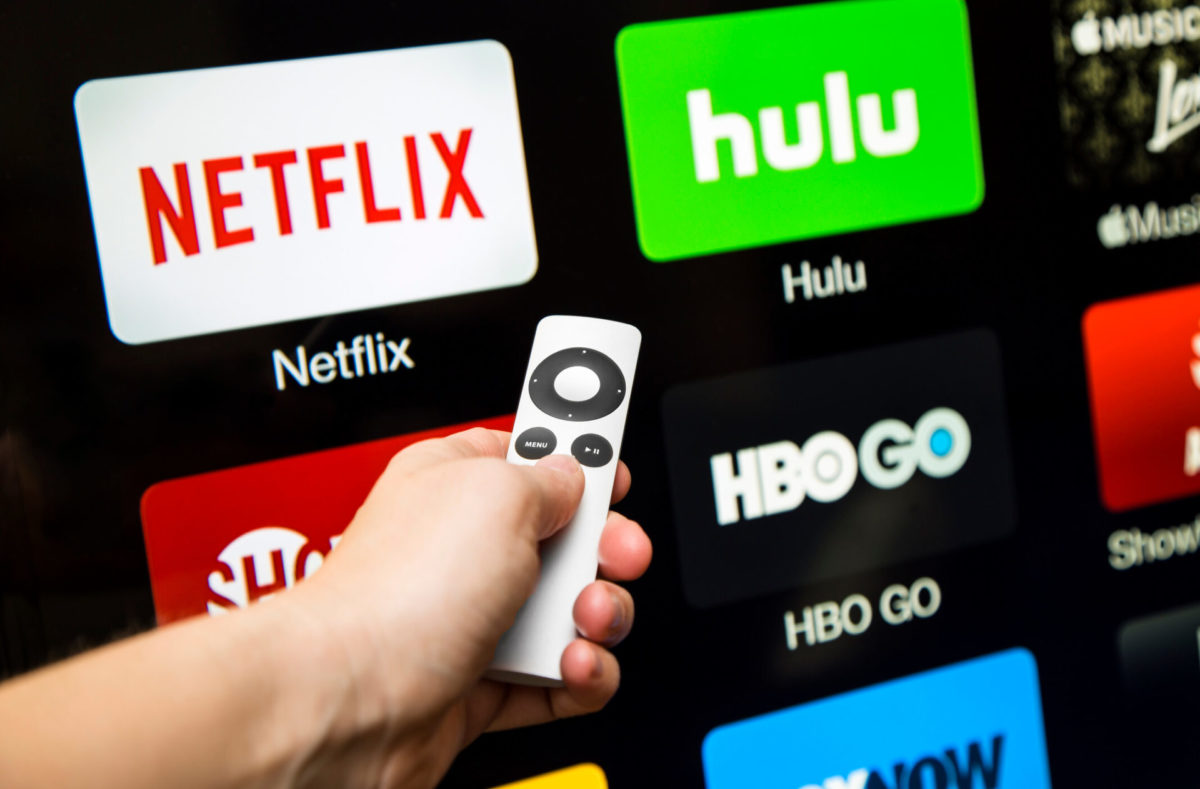
The subscription economy has transformed the consumption of goods and services. The age of streaming led by companies like Netflix and Spotify, for SaaS companies like Adobe and Microsoft By 2021, subscription eCommerce was a $478 billion worldwide industry. Subscription eCommerce companies benefit from predictable revenue streams and customer retention but face challenges to sustainability with growing competition and pricing competition as they chase each consumer fatigue.
The Appeal of Subscription Models
Since their inception, subscription models have stormed the industry because they secure not only consistent revenue, but also consistent customers. These are a few of the reasons why subscription models have been so successful:
- Recurring Revenue: Companies have a constantly recurring income with a wide customer base.
- Customer Convenience: This gives the user an all-time access to the services, without any issues of ownership.
- Lowered Starting Cost: With subscription pricing, consumers may access high-end features at low monthly charges.
- Scalability: Businesses can be scaled-up by offering the services at a bigger level and reaching to a global market without investing on it much capital.
Challenges Facing Subscription Businesses
But subscription companies are not without their pitfalls - many of which can threaten their sustainability in the long term:
- Subscription Fatigue: Subscription services may overburden the buyer financially which can result in him canceling a subscription he finds superfluous.
- Market saturation: As more and more companies in industries adopt the business model, there will be greater competition and many more price wars and lower margins.
- Churn Rate: Subscribers are difficult to hold onto, especially when they begin to search for a better service or stop seeing the value that you're offering.
- Regulatory and Compliance Challenges: Data privacy laws and consumer protection rules such as auto-renewals are key factors affecting subscription governance.
Case study: Netflix – The subscription success story and its challenges
So how does Netflix fit in? Netflix is a great example of a subscription-based business that has revolutionized the way media is consumed.
Growth and Success
Originally established in 1997 as a DVD rental business, and later shifting to a subscription-based streaming service in 2007, Netflix has established itself as an industry leader in digital entertainment by offering extensive content with a low monthly fee. What were a few of the reasons that contributed to the surge in Netflix?
- Personalized Content Recommendations: Machine Learning algorithms enhance the experience of the user.
- Exclusive Content (Netflix Originals): Produce original content to create a wedge between competitors.
- Worldwide Reach: Operating in more than 190 countries with localized content
Challenges Netflix Faces
However, Netflix faces the same sustainability challenges of the subscription model:
- Rising Content Costs: Higher costs for content creation and licensing affect profitability.
- Subscriber Growth Slowdown: Netflix is becoming less able to acquire new users as the market matures.
- Competition: A fragmented market dominated by Disney+, HBO Max, Amazon Prime Video and others.
- Password Sharing: Sharing an account limits growth, so Netflix is learning harder limits.
Future of Subscription Models
Subscription businesses need to adopt creative approaches to become profitable on a sustained basis:
- Dynamic Pricing Plans: Payment Plan Models: ad-supported and premium plans to promote various user segments.
- Value-Added Services: If the service/ product is not standalone, bundle a lot of services together or give add-on perks to keep the subscription subscriber.
- Data-Driven Retention Strategies: How we leverage AI for churn risk predictions and personalized user experiences.
Regulatory Compliance: Transparency in pricing & subscription cancelation.
Conclusion
Subscription-based business models are transforming whole markets and even entire industries-and reshaping consumer behavior as well-by offering convenience and cost certainty. But concerns around sustainability simmer beneath the surface as competition intensifies and consumer preferences evolve. Companies that have diversified their offerings, innovated, or managed to retain their customers will come out of the pandemic with a stronger grip.
Work Cited
- Chandra, P. (2022). "The Economics of Subscription-Based Models." Harvard Business Review. Retrieved from www.hbr.org
- Smith, J. (2023). "Market Trends in Digital Subscriptions." Journal of Business Strategy.
- Netflix Inc. (2023). "Annual Report." Retrieved from www.netflixinvestor.com
- Brown, R. (2022). "The Future of SaaS and Subscription Models." Forbes. Retrieved from www.forbes.com
Titan Edge publishes technical research for informational purposes only. Nothing on this site is investment advice or a recommendation to buy or sell any security.